Scenario Guide
Severe Storm: Before, During, and After
Severe storms give varying amounts of warning. The preparation you do today determines how safely and comfortably you ride one out.
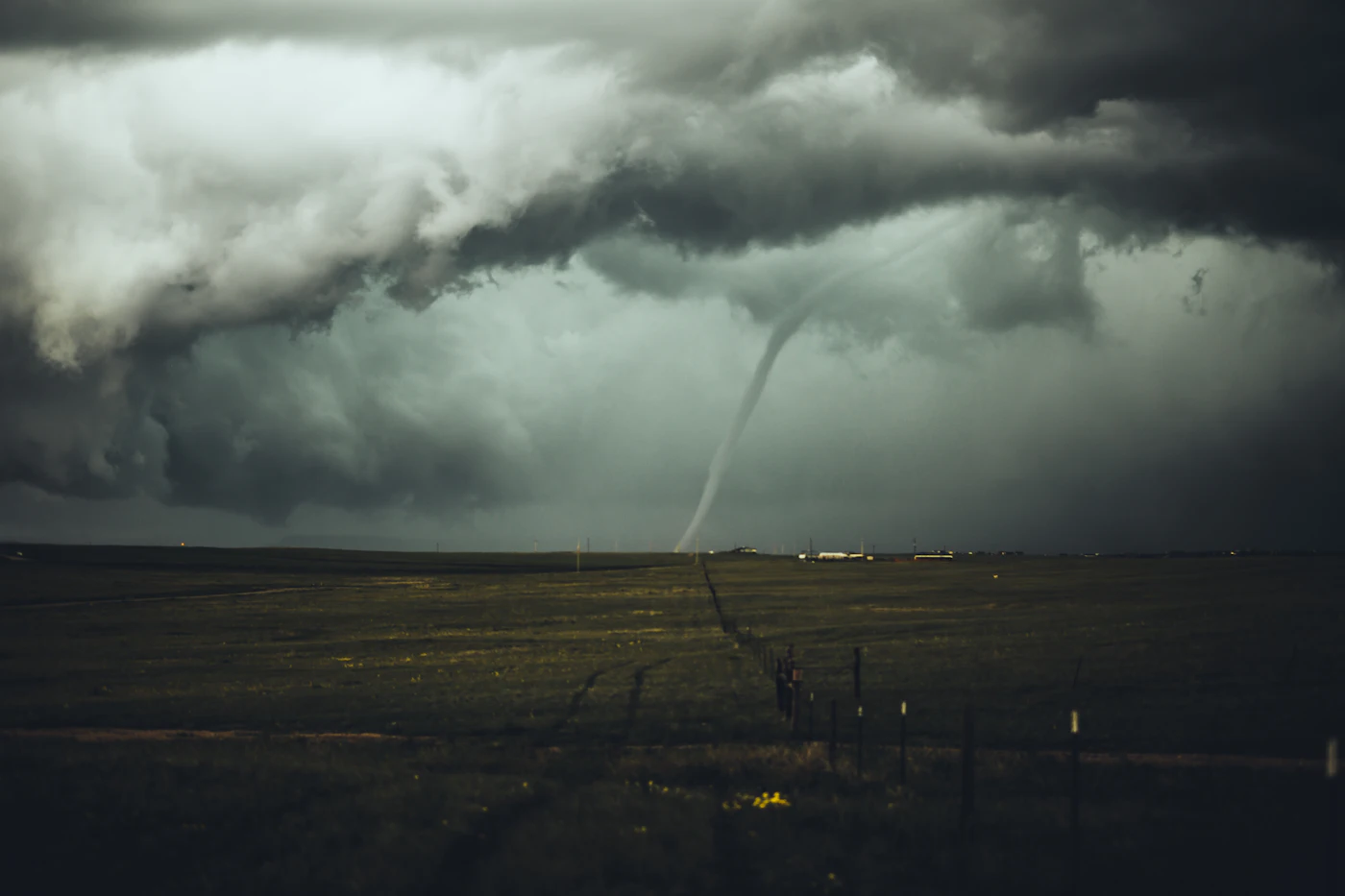
Safety NoteFor tornado, hurricane, and other severe weather guidance, the National Weather Service (weather.gov) and NOAA are the authoritative sources. Sign up for local emergency alerts through your county. Follow local emergency management directives during active events.
Before: Prepare Now
- Know your region's storm risks (tornado, hurricane, severe thunderstorm, hail)
- Sign up for local emergency alerts (county notification systems)
- Identify the safest room in your home (interior, lowest level, no windows)
- Trim trees and shrubs to reduce flying debris risk
- Secure outdoor furniture before storm season
- Have 3–7 days of food and water ready
- Have flashlights, weather radio, and power bank charged
During: What to Do
- Move to safest interior room away from windows
- Stay away from windows and exterior doors during active storm
- Do not go outside during lightning, even briefly
- If tornado warning issued: lowest level, interior room, cover your head
- Monitor NOAA weather radio for updates
- Keep phone charged
- Avoid using landline phones during lightning
After: Recovery
- Wait for official all-clear before going outside
- Avoid downed power lines — assume all are live
- Photograph any storm damage for insurance
- Check for gas leaks (smell); if detected, leave and call utility from outside
- Check on neighbors, especially elderly or those with medical needs
- Document and report damage to insurance company and local authorities